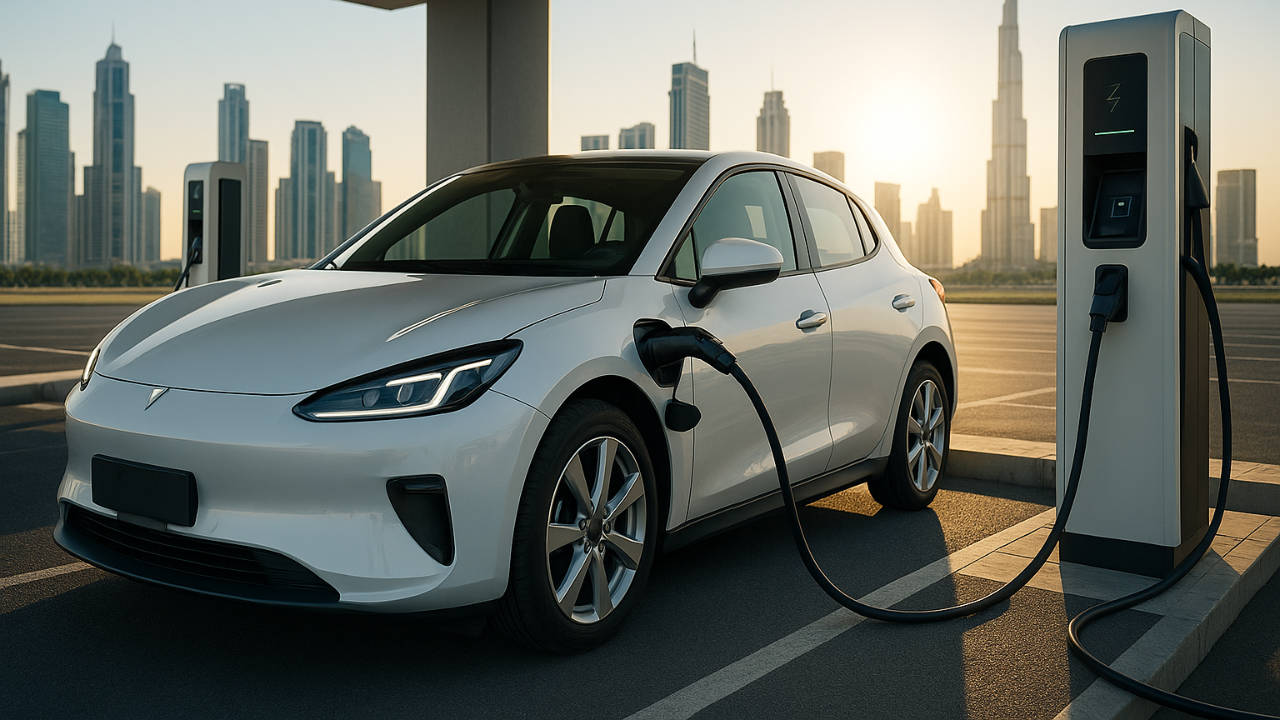
EV Insurance Dubai 2026: Coverage Gaps Owners Miss

Electric vehicles are booming in Dubai’s streets and highways. But here’s the thing: insurance for EVs still isn’t a perfect fit. Many owners assume a standard policy protects them fully — only to discover major holes when they need it most.
This guide breaks down what’s commonly missing, why it matters, and how to fix it before you renew or buy.
Why EV Insurance Isn’t Like Petrol Car Insurance
The UAE treats all cars the same legally — every vehicle must carry at least third-party liability before registration or renewal. That’s true for EVs too. But electric vehicles bring unique risks and costs:
- Batteries can cost tens of thousands of dirhams to repair or replace.
- EVs rely on advanced software and high-voltage systems.
- Charging mishaps pose new kinds of risk that older policies didn’t anticipate.
- Specialized parts and repair networks are still catching up.
So while an EV policy looks similar to a petrol car policy on paper, the fine print is what really counts.
Coverage Basics: What You’ll See in Dubai
Most electric car policies in the UAE share the same broad categories:
1. Third-Party Liability (Mandatory)
This covers damage you cause to others — injuries or property damage. It does not include your own EV.
2. Comprehensive Insurance
This is what most EV owners buy. It usually covers:
- Collision damage
- Theft
- Fire damage
- Natural disasters (varies by wording)
- Vandalism
- Some policies include EV battery damage
But here’s the catch: most of the “EV enhancements” are optional or limited. That means several important gaps can exist (see below).
Common EV Insurance Gaps Owners Miss
Here’s the part that most people never read until it’s too late.
1. Battery Wear, Failures & Degradation
You might assume battery issues are covered. In reality:
- Many comprehensive policies exclude normal battery wear and tear — even if the battery is the most valuable EV component.
- Coverage often applies only to sudden damage from an accident, not degradation over time.
Why this matters: EV batteries can cost AED 50,000+ to replace — not repairing them or replacing them because your policy thought they’re “maintenance” means big out-of-pocket bills.
2. Charging Station Damage
Insurers differ widely on whether they cover:
- Damage to a public or home charging station
- Damage from a charger to your EV
- Electrical surges while charging
Some policies don’t cover charging-related mishaps at all unless you add a specific rider.
3. Roadside Assistance That Isn’t EV-Specific
Yes, roadside cover is common. But NOT all providers include:
- Specialized towing that prevents battery or drivetrain damage
- Mobile charging services for dead batteries
- Assistance for software or EV-specific failures
If your policy lists “breakdown assistance” without EV detail, assume it’s standard ICE support. This is a gap many owners only discover when they need help.
4. Software & Sensor Repairs
EVs rely on systems far more complex than fuel cars. Many insurers simply:
- Apply standard part lists
- Exclude software recalibration and specialized diagnostics
- Limit repair networks that can handle EV tech
This means you might find repair costs sitting outside your insurance even after a covered accident.
5. Slow Claims & Limited EV Expertise
This isn’t a coverage exclusion, but it’s a practical gap:
- Fewer EV-trained adjusters and repair shops
- Claim settlements take longer
- Some policies allow repair at any shop, but EV owners find only some garages have the right tools
That’s a cost in time and convenience that most policies don’t help you avoid.
Checklist — What Every Dubai EV Policy Should Explicitly Cover
Use this before you sign or renew:
- ☑ Battery damage (not just collision)
- ☑ EV charging incidents (home & public)
- ☑ EV-specific roadside assistance
- ☑ Specialized repair network authorization
- ☑ Software & sensor recalibration
- ☑ Clear exclusions list (what’s not covered)
If your insurer can’t confirm coverage in writing, push for it or switch. (That’s the simple difference between guessing and actually being protected.)
Quick Comparison: Typical EV Coverage vs Better Policies
| Coverage Feature | Standard Comprehensive | Tailored EV Policy |
|---|---|---|
| Third-party liability | ✔ Mandatory | ✔ |
| Collision damage | ✔ | ✔ |
| Battery damage (accidental) | Sometimes | ✔ |
| Battery wear/aging | ✘ | Optional add-on |
| Charging mishaps | ✘/Limited | ✔ |
| EV roadside assist | Standard | EV-specific |
| Specialized repair network | Limited | Strong |
Expert Tips
Know your EV ROI: High EV premiums today often reflect repair uncertainty, not legal risk. That means being informed saves money down the road.
Compare yearly: With premiums shifting and EV tech evolving, compare quotes every renewal, especially as battery coverage options expand.
FAQ
1. Is EV insurance more expensive than petrol car insurance in Dubai?
Yes — premiums tend to be higher because EV repairs and batteries cost more, and repair networks are still growing.
2. Does third-party insurance cover my EV’s battery?
No. It covers damage you cause to others only — it doesn’t protect your own vehicle or battery. You need comprehensive for that.
3. Will my policy cover battery degradation with age?
Most don’t. Normal wear and aging is usually excluded unless you purchase a specific add-on.
4. Are charging station incidents covered?
Only if your policy includes EV charging coverage. Check before you assume it’s included.
5. How can I reduce EV insurance costs?
Compare quotes, maintain a clean driving record, and ask for EV-specific add-ons. Some insurers offer discounts for safety features and telematics.
Conclusion — What To Do Next
Here’s the real takeaway: don’t treat EV insurance like petrol car insurance. Batteries, charging risks, and EV tech need explicit coverage. Read the fine print, ask tough questions, and choose policies that list those details clearly.
For your next renewal, sit down with these gaps in hand and make sure your insurer ticks every box. If they don’t? Move on. Better coverage today prevents shock costs tomorrow.